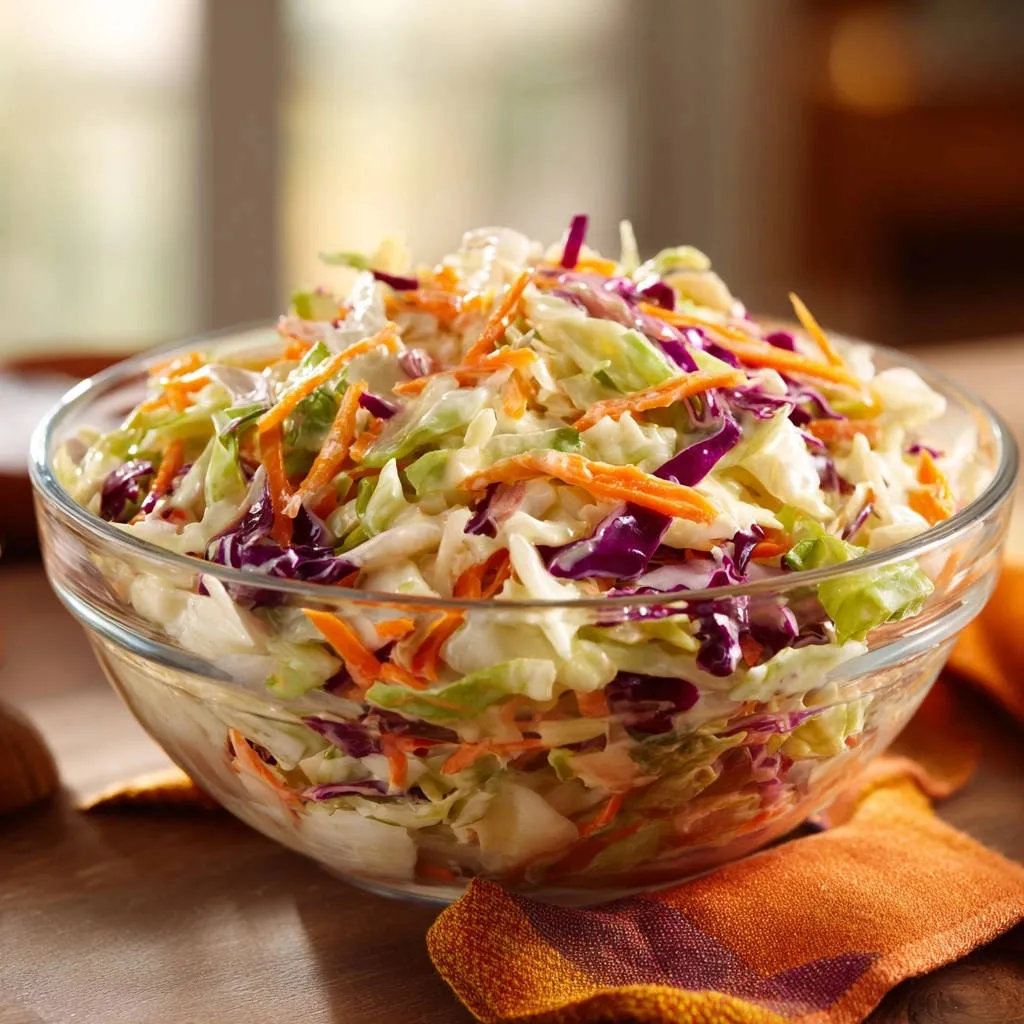
Secrets to Perfect Creamy Coleslaw: Dressing, Cabbage & Ratio
Few side dishes evoke the comfort and joy of American home cooking quite like creamy coleslaw. It’s the quintessential partner to crispy fried chicken, the refreshing counterpoint to a rich pulled pork sandwich, and an absolute must-have at any backyard barbecue. That irresistible combination of cool, slightly sweet, tangy dressing clinging to crisp, crunchy cabbage isn’t just satisfying – it’s a taste sensation that keeps us coming back for more.
But what separates a good coleslaw from an unforgettable one? It's more than just mixing ingredients; it's about mastering the delicate balance of its core components. Drawing insights from extensive taste tests and culinary expertise, we’re peeling back the layers to reveal the secrets behind the ultimate
creamy coleslaw recipe. We'll dive into the art of crafting the perfect dressing, selecting and preparing your cabbage, and achieving that harmonious ratio that transforms simple ingredients into a culinary masterpiece.
The Heart of the Matter: Crafting the Perfect Creamy Coleslaw Dressing
The dressing is, without a doubt, the soul of any creamy coleslaw. It’s what delivers that signature richness, tang, and seasoned flavor that defines the dish. A truly great dressing doesn't just coat the cabbage; it enhances it, making each bite an experience.
The Holy Trinity: Mayonnaise, Vinegar, and Seasonings
At its core, a classic creamy coleslaw dressing relies on a triumvirate of ingredients: mayonnaise, vinegar, and a blend of seasonings.
*
Mayonnaise: This is where the "creamy" comes from. Opt for a high-quality, full-fat mayonnaise for the richest, most luxurious texture. It should be substantial enough to cling to every shred of cabbage, enveloping it without feeling heavy or greasy. Think of it as the canvas upon which all other flavors are painted.
*
Vinegar: The essential acidic component, vinegar provides the bright, palate-cleansing tang that balances the richness of the mayonnaise. While distilled white vinegar is common for its sharp, clean profile, don’t shy away from experimenting. Apple cider vinegar offers a fruitier, milder acidity, while a touch of white wine vinegar can add a sophisticated note. The goal is enough acid to make the dressing lively, not overwhelmingly sour.
*
Seasonings: These are the subtle flavor architects.
*
Salt: Non-negotiable. Salt amplifies all other flavors and is critical for savory depth.
*
Sugar: A touch of granulated sugar or honey balances the vinegar's tartness and enhances the natural sweetness of the cabbage, contributing to that signature sweet-and-tangy profile.
*
Pepper: Freshly ground black pepper adds a hint of warmth and aroma.
*
Mustard: A spoonful of Dijon mustard or a pinch of dry mustard powder can add a subtle piquancy and depth, making the dressing more complex and interesting.
*
Secret Ingredients: Many recipes include a pinch of celery seed for its distinctive, earthy crunch and flavor, or a touch of onion powder for a subtle savory background. Some even swear by a tiny dash of hot sauce for an undetectable lift that brightens the whole profile.
* To explore different flavor profiles and find your own perfect blend, consider checking out articles like
I Tested 5 Creamy Coleslaw Recipes: Find Your New Favorite, which highlights how varying these components can lead to distinct and delicious results.
The ideal dressing texture is rich enough to coat but fluid enough to toss easily. Start with a foundational recipe, then taste and adjust the sweet, salty, and sour elements until it sings to your palate.
The Foundation: Choosing and Preparing Your Cabbage for Superior Slaw
While the dressing brings the flavor, the cabbage delivers the essential crunch and bulk. The quality and preparation of your cabbage significantly impact the overall texture and enjoyment of your
creamy coleslaw recipe.
Store-Bought Mix vs. Freshly Cut Cabbage
Both options have their merits, depending on your priorities:
*
Store-Bought Slaw Mix: Convenient, quick, and generally cost-effective, pre-shredded mixes are a lifesaver on busy days. They often include a blend of green cabbage and carrots, providing both color and variety.
*
Freshly Cut Cabbage: If time allows, opting for a whole head of cabbage and cutting it yourself offers ultimate control. This allows you to dictate the thinness, shape, and even the type of cabbage, leading to a superior texture and often fresher flavor. For a more nuanced flavor and texture, many culinary enthusiasts advocate for the fresh approach.
The Art of the Slice: Thinness is Key
One of the most crucial factors in exceptional coleslaw is how the cabbage is cut. Thinly sliced cabbage is generally preferred for several reasons:
*
More Surface Area: Thin shreds allow the dressing to adhere better, ensuring every bite is fully coated and flavorful.
*
Tender Bite: Thin slices are more tender and enjoyable to eat, avoiding the tough, chewy experience of thickly cut cabbage.
*
Better Mouthfeel: The delicate strands create a more pleasant texture contrast with the creamy dressing.
To achieve this, you can use a sharp chef's knife for precise, even cuts, a mandoline slicer for consistent paper-thin ribbons (be sure to use a guard!), or even a food processor with a shredding disc for speed. Beyond traditional green cabbage, consider adding thinly sliced red cabbage for a pop of color and extra nutrients, or even a bit of savoy cabbage for a more delicate crunch. Don't forget to include shredded carrots for sweetness and color, and perhaps a touch of finely minced red onion for a subtle bite.
Pro Tip for Extra Crispness: For an exceptionally crisp coleslaw that resists getting soggy, try salting your shredded cabbage. Place the shredded cabbage in a colander, sprinkle generously with salt, and let it sit for 30-60 minutes. The salt will draw out excess moisture. Rinse thoroughly under cold water, then pat completely dry with paper towels before mixing with the dressing. This step adds a bit of time but makes a noticeable difference in texture and prevents dilution of the dressing.
The Golden Ratio: Mastering Cabbage-to-Dressing Balance
Even with the best dressing and perfectly prepped cabbage, an imbalanced ratio can ruin a
creamy coleslaw recipe. The goal is a harmonious marriage where the cabbage is thoroughly coated and infused with flavor, but not swimming in liquid.
Experience has shown that roughly ½ to ¾ cup of dressing per 14-ounce bag of coleslaw mix (or its equivalent in fresh cabbage) is an excellent starting point. However, this is where technique truly matters:
*
Add Gradually: Never dump all the dressing at once. Start with about half the recommended amount, toss thoroughly, and observe. Does it look adequately coated? Is there enough flavor? Add more dressing in small increments, tossing after each addition, until you reach your desired consistency and flavor intensity. This gradual approach allows for personal preference and prevents over-dressing, which leads to soggy slaw.
*
Visual Cues: The cabbage should glisten and be evenly coated, but there shouldn't be a puddle of dressing at the bottom of the bowl. Each shred should look "dressed," not drowned.
*
Consider Resting Time: Remember that cabbage will release some moisture over time, and the dressing will thicken slightly as it chills. It's often better to err on the side of slightly less dressing initially, knowing you can always add a touch more before serving if needed. Recipes like the
Beyond Basic: Quick, Southern, & KFC-Style Creamy Coleslaw are renowned for their perfect balance, showcasing how critical the right ratio is to achieving that iconic taste and texture.
Beyond the Basics: Elevating Your Creamy Coleslaw Recipe
Once you've mastered the fundamentals, there are subtle ways to take your coleslaw from simply good to truly outstanding.
The Magic of Time and Temperature
*
Chilling: After mixing, allow your coleslaw to chill in the refrigerator for at least 30 minutes, or ideally, several hours. This resting period is crucial. It allows the flavors from the dressing to meld beautifully with the cabbage, and the cabbage itself to soften just slightly, creating a more cohesive and delicious dish.
*
Serving Temperature: Creamy coleslaw is always best served cold. The chill enhances its refreshing qualities and keeps the textures crisp.
Personalizing Your Perfect Slaw
Your coleslaw should ultimately be a reflection of your taste. Don't be afraid to experiment!
*
Herbs: Fresh parsley, chives, or even a touch of dill can add a vibrant, fresh note.
*
Crunchy Add-ins: Toasted pecans, walnuts, sunflower seeds, or even crispy bacon bits can introduce an exciting textural contrast.
*
Sweet & Tangy Boosts: Dried cranberries, golden raisins, or finely diced apple can add pockets of sweetness and chewiness.
*
Spice Factor: A pinch of cayenne pepper, a dash of hot sauce, or a finely minced jalapeño can introduce a welcome kick for those who like a bit of heat.
Think about the occasion and what you're serving it with. A backyard barbecue might call for a bolder, tangier slaw, while a delicate fish dish could pair better with a lighter, herb-infused version. The beauty of the
creamy coleslaw recipe lies in its adaptability.
Conclusion
From its humble origins to its status as an American culinary icon, creamy coleslaw holds a special place at our tables. Crafting the perfect version is an enjoyable journey of balancing flavors, textures, and ratios. By paying close attention to the quality of your dressing ingredients, the preparation of your cabbage, and the delicate art of achieving the golden ratio, you can transform this classic side dish into something truly extraordinary. Whether you prefer a basic, comforting rendition or a gourmet twist with secret ingredients, remember that the best coleslaw is the one you love the most. So, roll up your sleeves, gather your ingredients, and get ready to create a
creamy coleslaw recipe that will be remembered and requested again and again.